Fresh Bed Design and Low-Maintenance Planting Overhaul
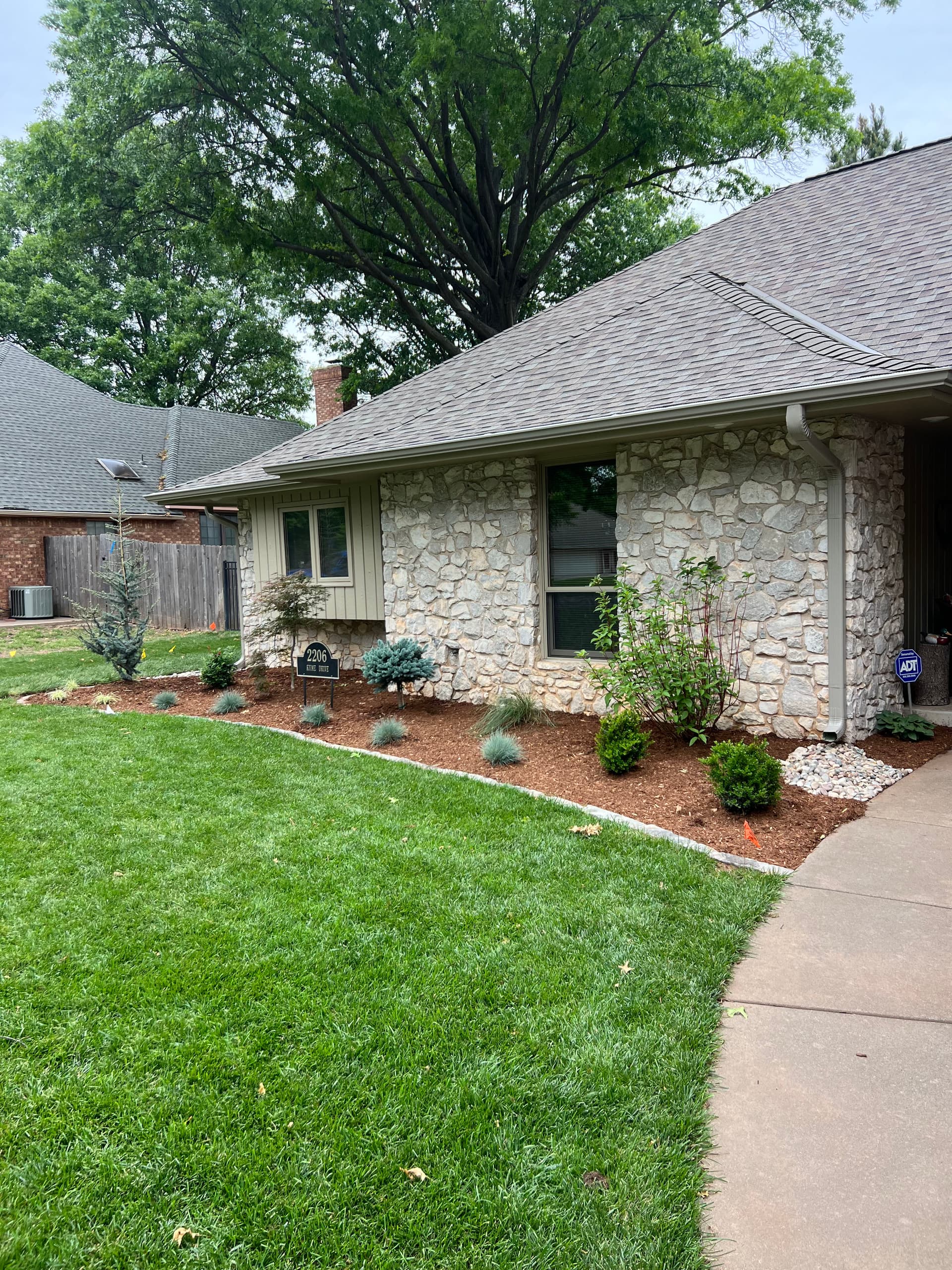
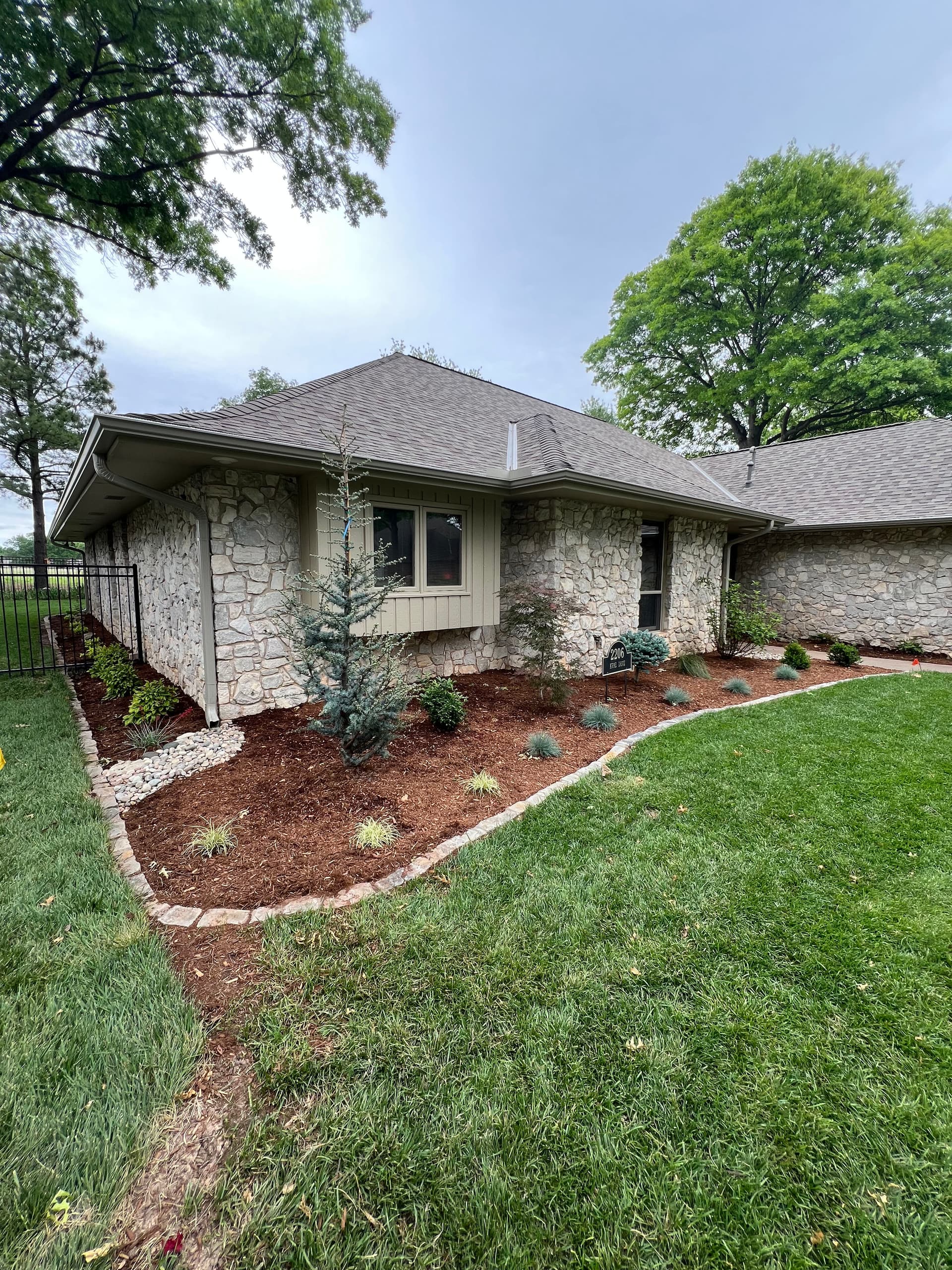
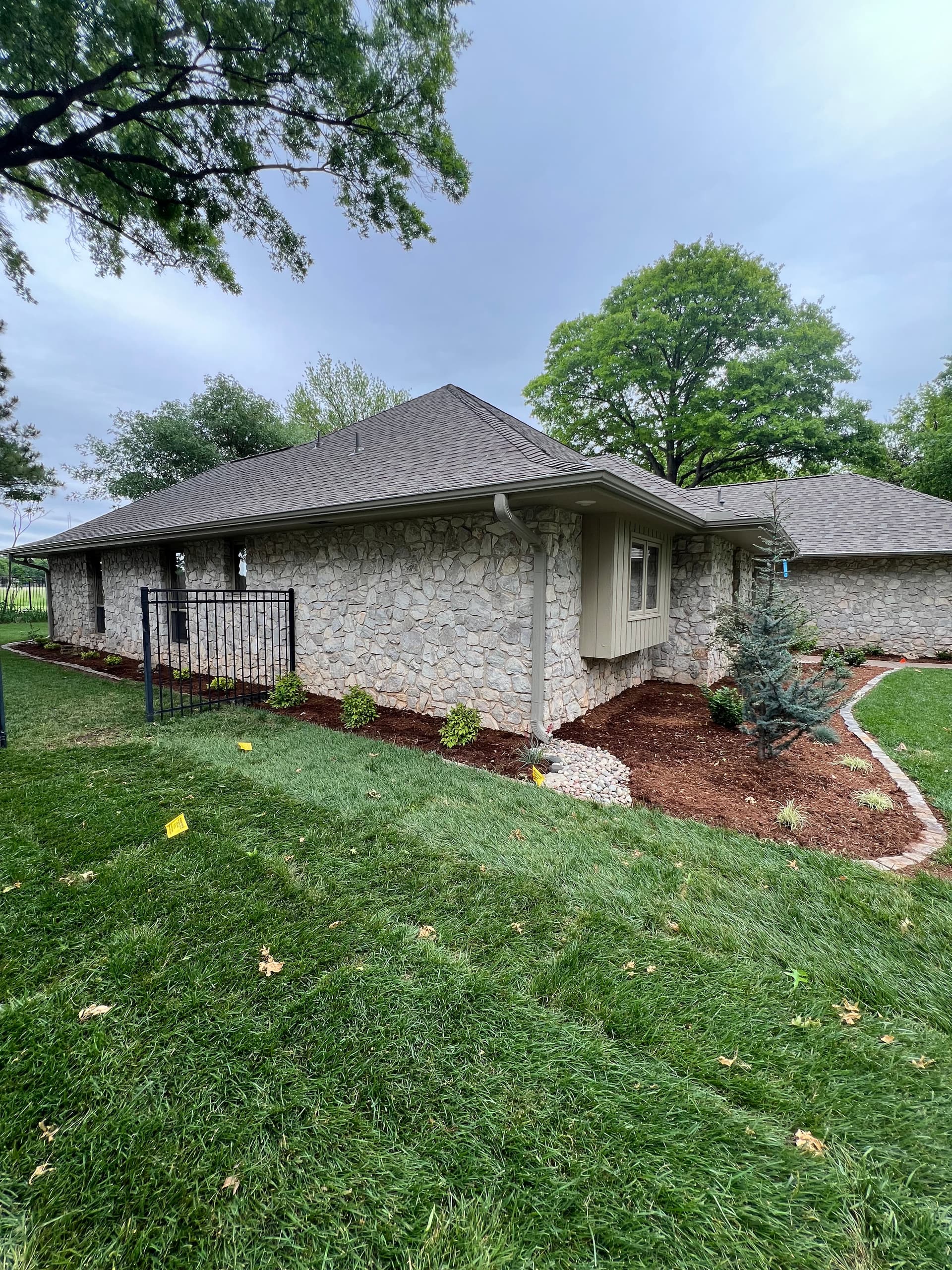
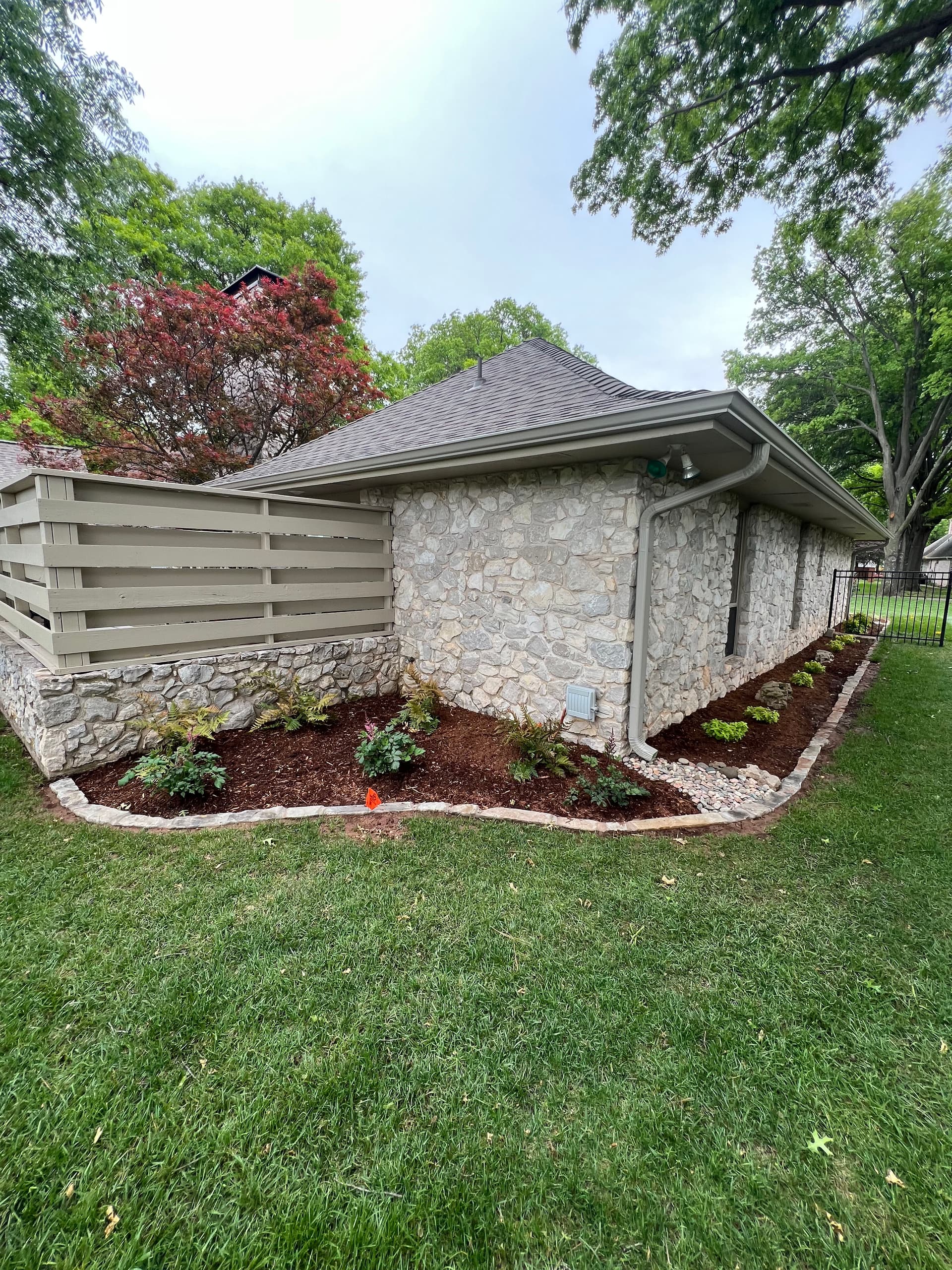
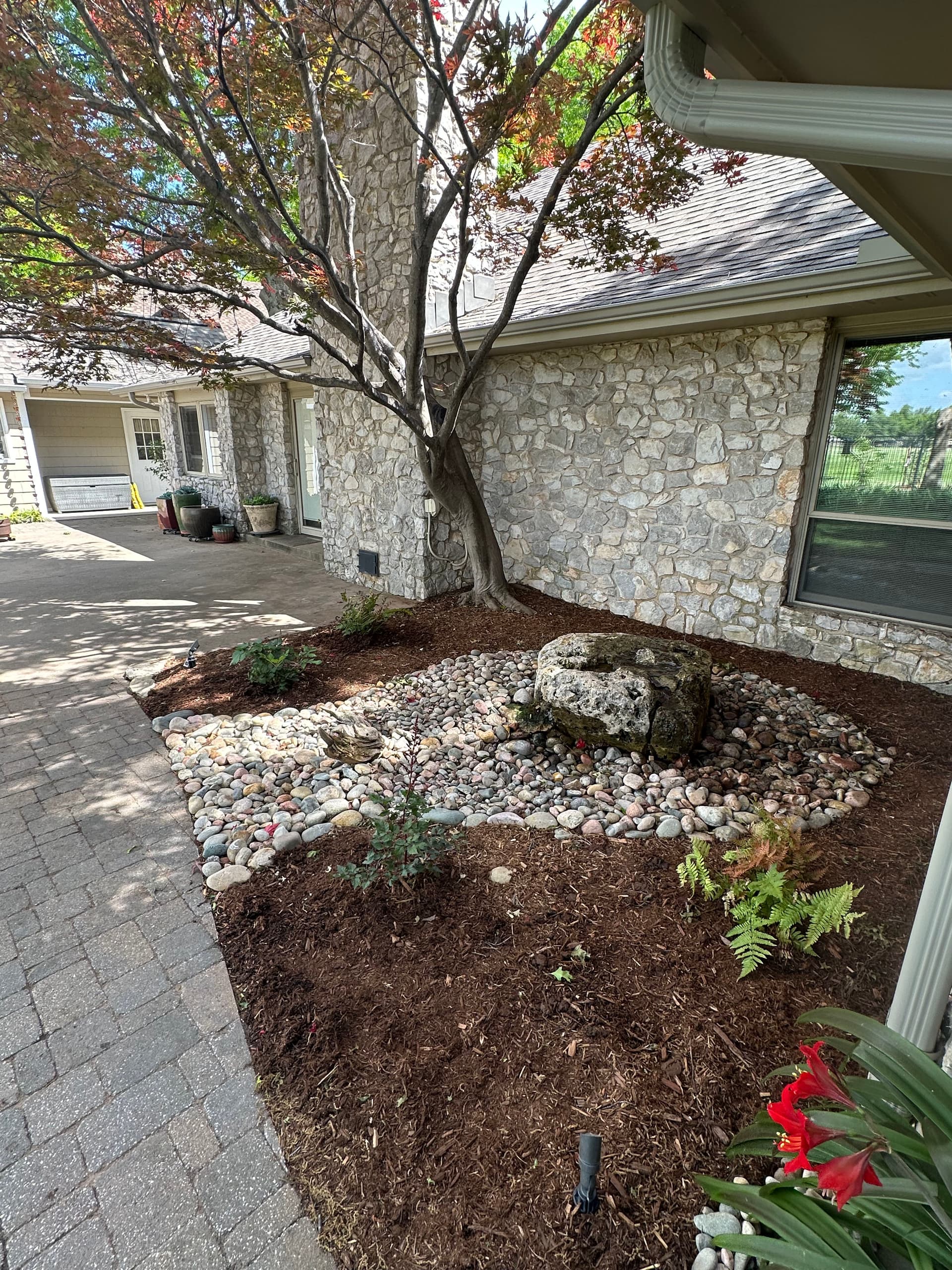
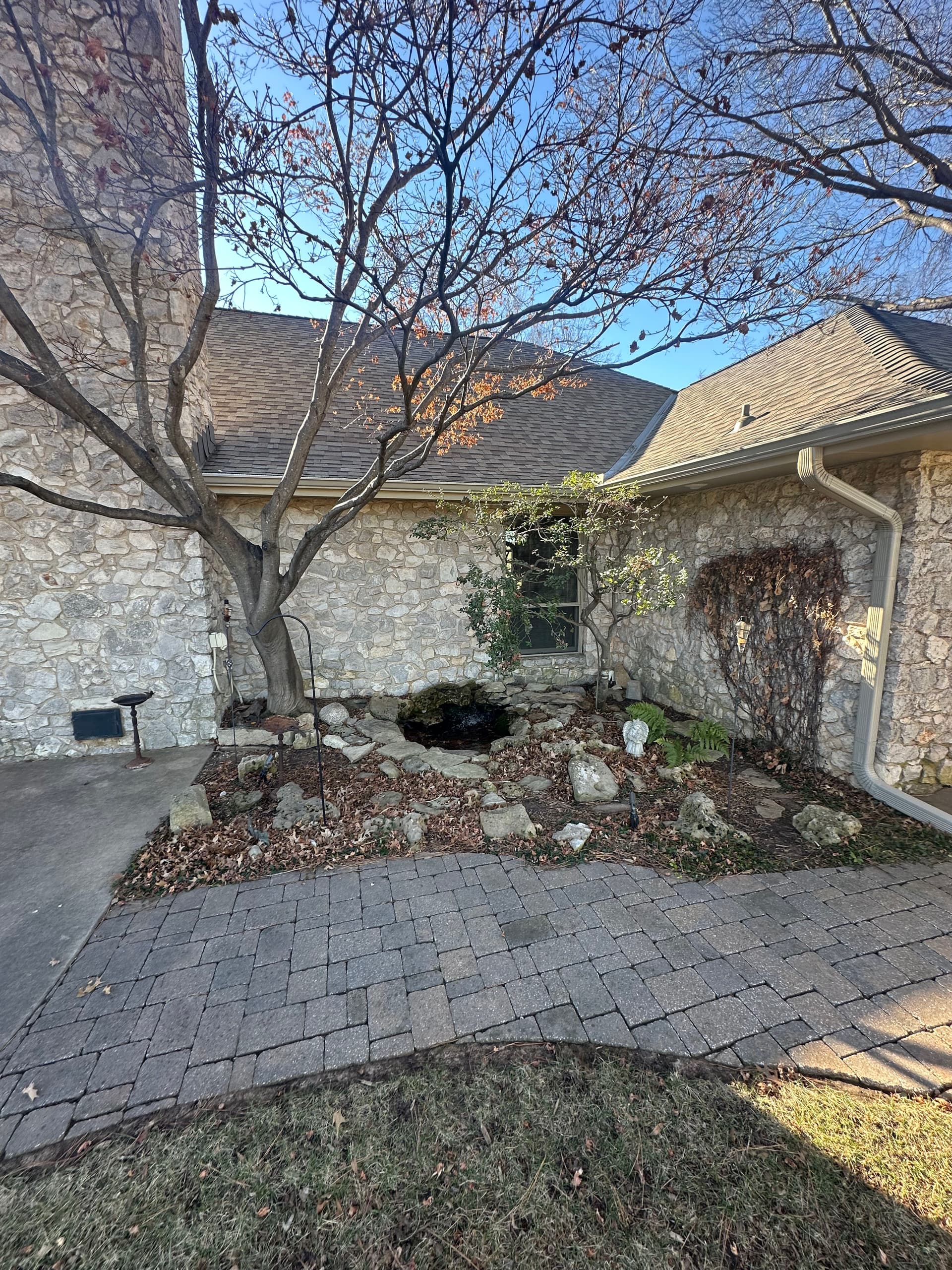
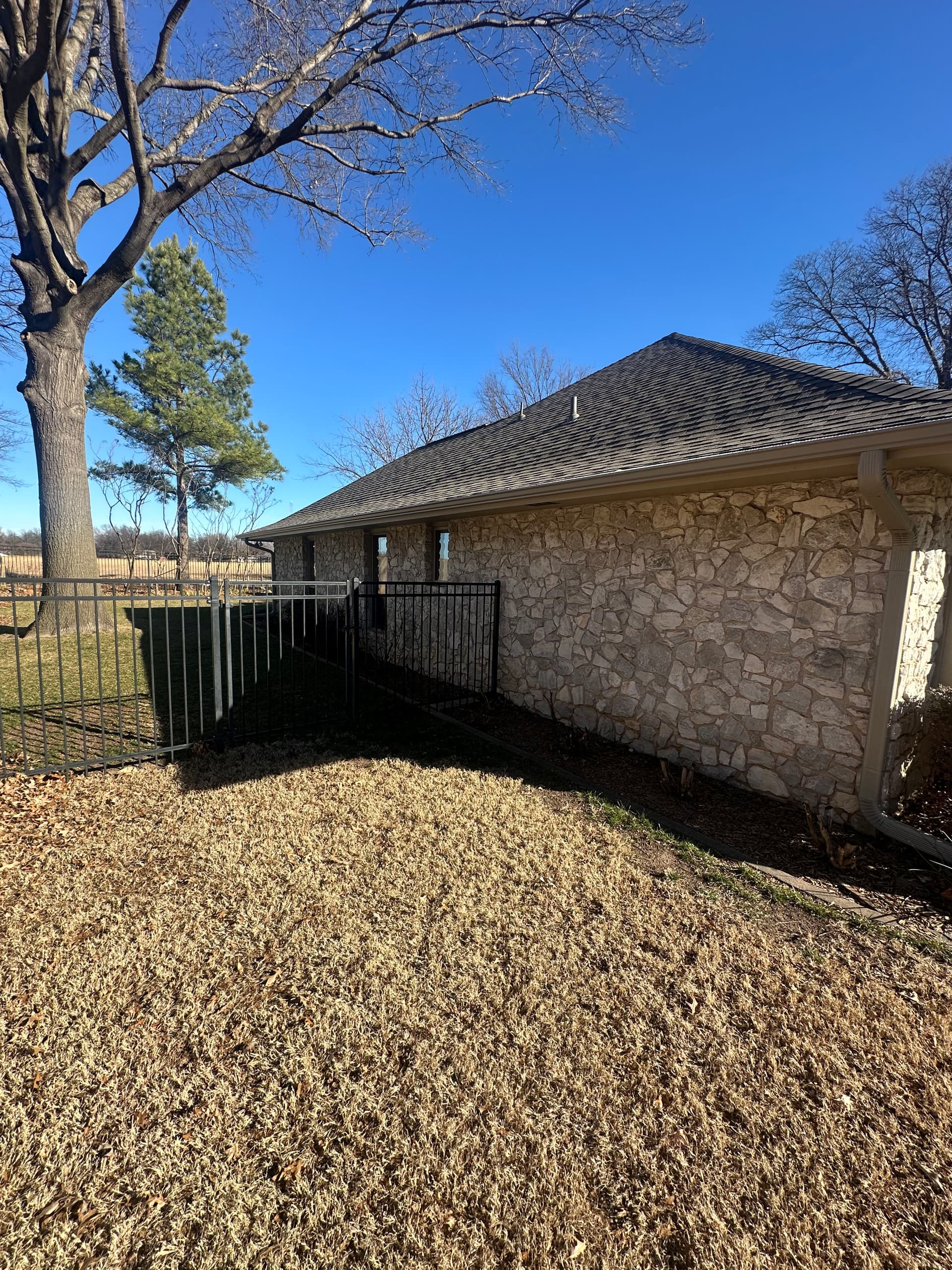
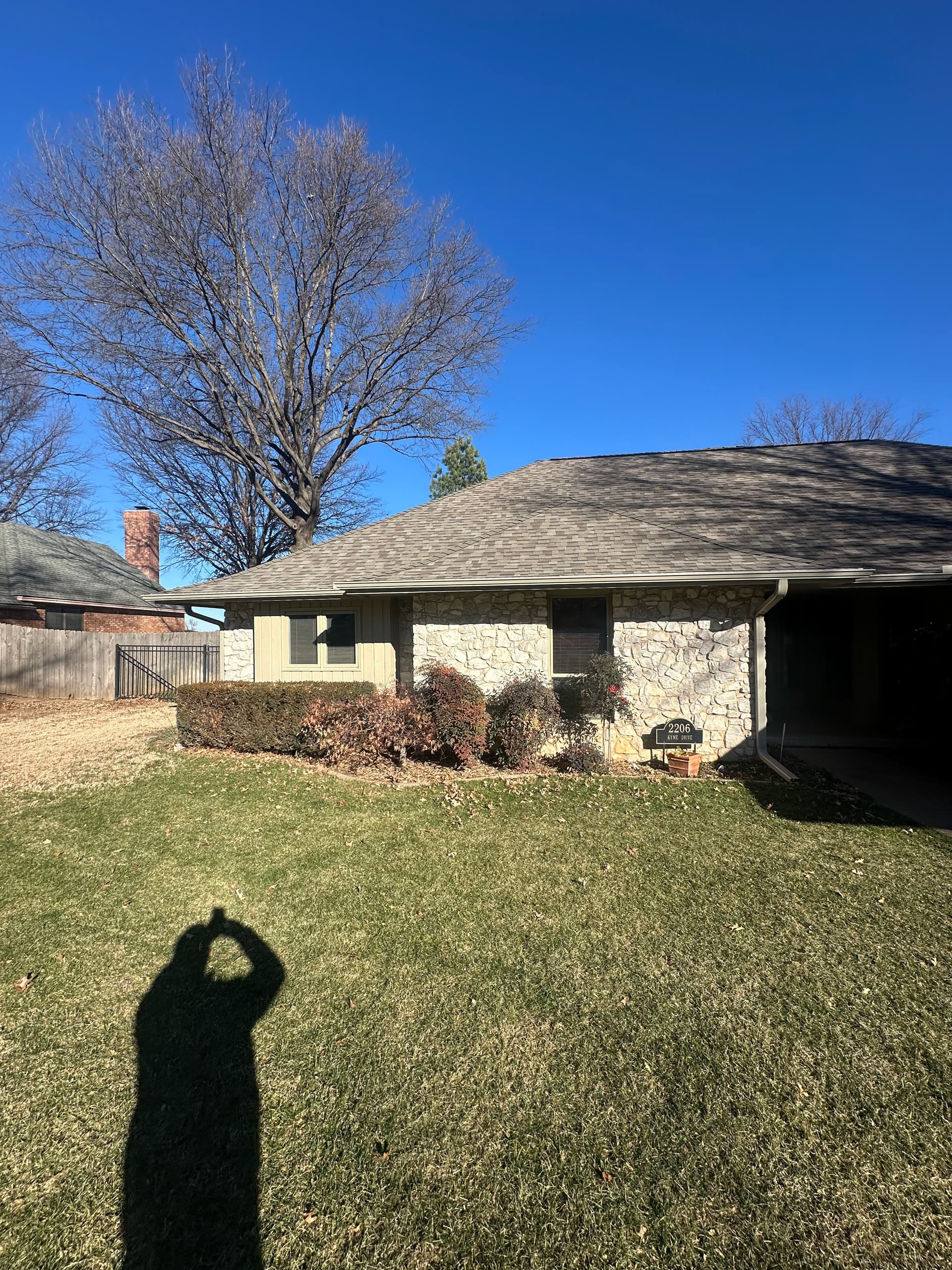
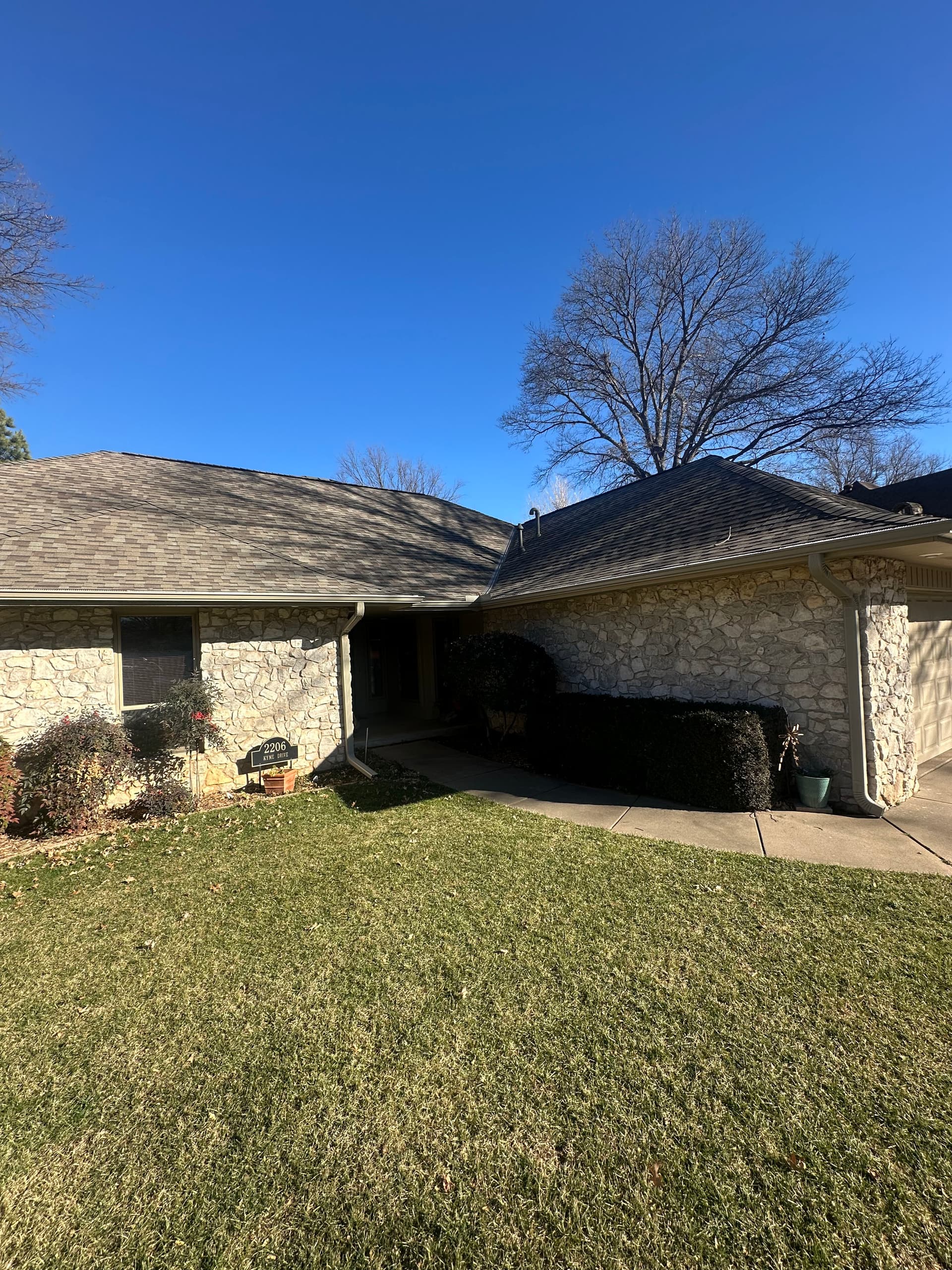
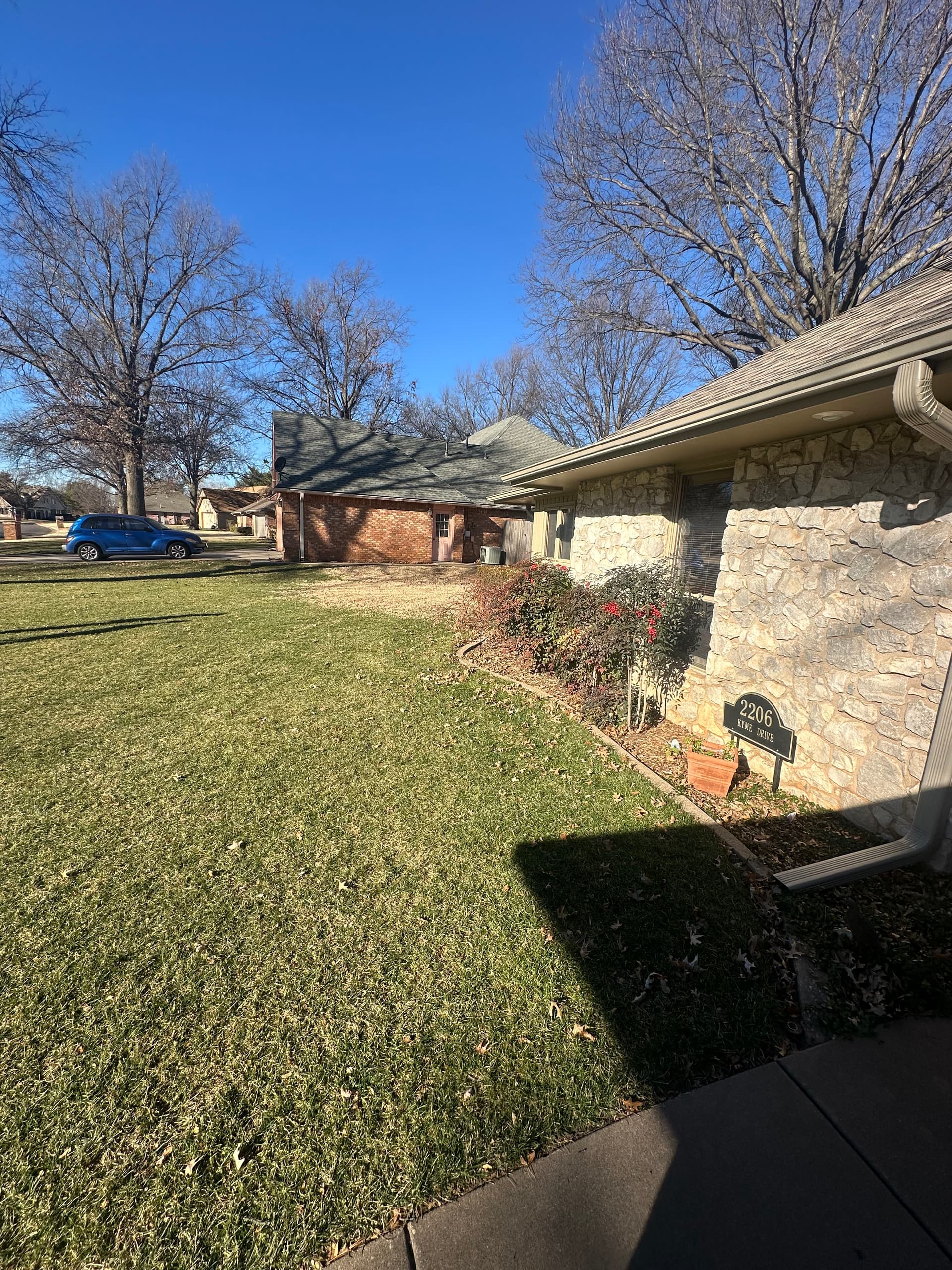
Here's what we were working with - overgrown foundation shrubs packed tight against the stone, an outdated bed shape with no real definition, and a courtyard area that had kind of lost its direction. Good bones on this property, but the landscaping wasn't keeping up with the house.
The approach we took wasn't a gut-and-start-over. It was smarter than that. We reshaped the beds to follow cleaner, more intentional lines around the perimeter of the home. Then we set recessed chopped stone edging along the bed border - it keeps that crisp separation between mulch and lawn without constant upkeep.
Plant selection was a big part of getting this right. We brought in low-maintenance perennials and ornamental shrubs that complement the natural stone on the house rather than compete with it. Blue spruce, ornamental grasses, and shade-tolerant ground covers were placed with spacing that gives everything room to grow without becoming a maintenance headache.
Around the back and side areas, we carried the same design language - fresh mulch, clean edges, and a recessed river rock detail near the downspout that handles drainage while still looking intentional. That kind of detail matters. It solves a real problem and adds to the overall look at the same time.
Not every yard needs to be torn apart to feel noticeably better. Sometimes the right bed shape, the right plants, and a little design thinking is all it takes. That's exactly what landscape design and installation should do - make a space easier to live with and a lot better to look at.